Domain vorglüher.de kaufen?
Wir ziehen mit dem Projekt
vorglüher.de um.
Sind Sie am Kauf der Domain
vorglüher.de interessiert?
domain@kv-gmbh.de · 0541-91531010
Domain vorglüher.de kaufen?
Do or make?
The choice between "do" and "make" depends on the context and the specific action being referred to. "Do" is generally used for activities or actions that involve performing or carrying out something, while "make" is used for creating or producing something tangible. For example, you would say "do your homework" but "make a cake." **
Do or does?
The choice between "do" and "does" depends on the subject of the sentence. "Do" is used with plural subjects and "does" is used with singular subjects. For example, "They do their homework" and "She does her homework." **

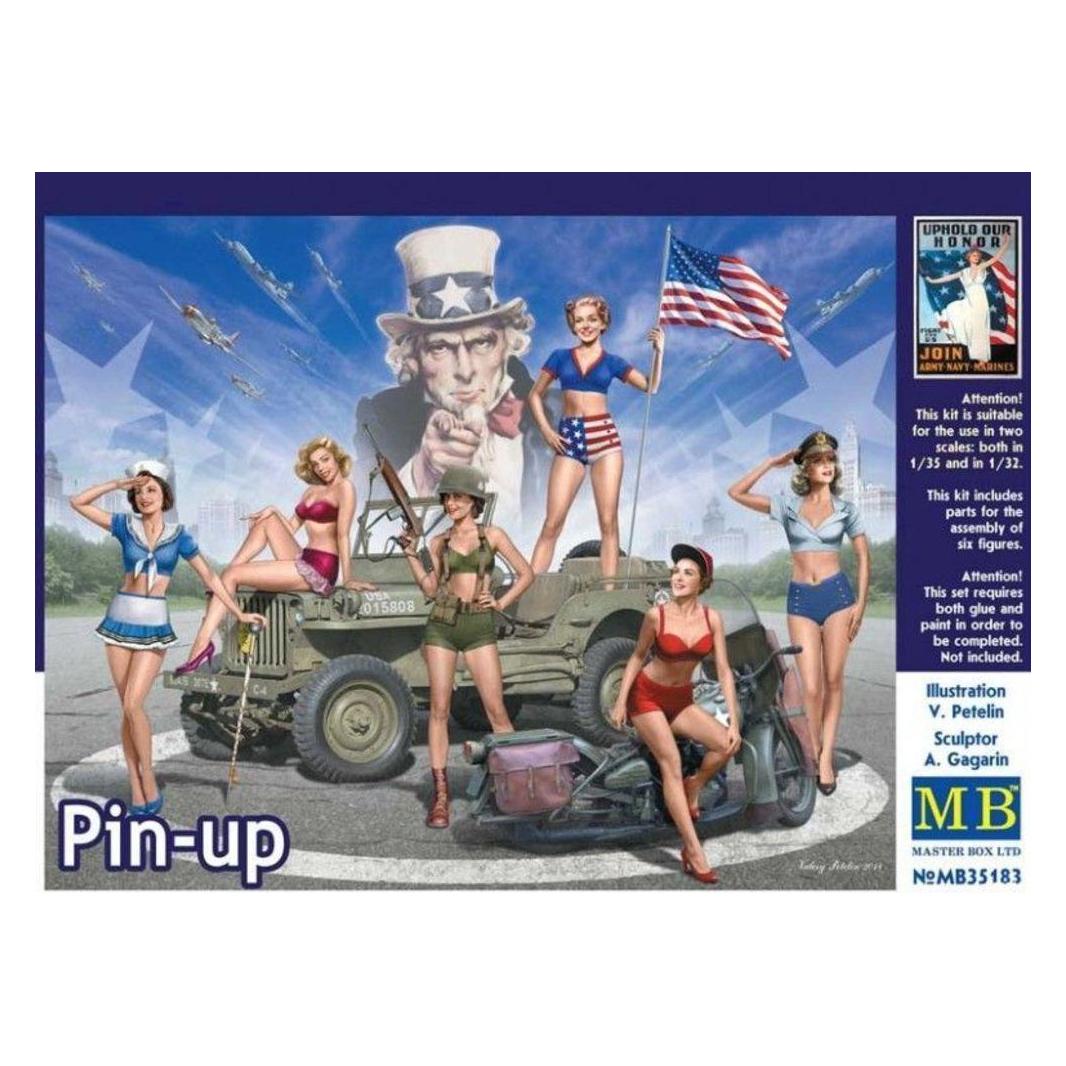
Ähnliche Suchbegriffe für Master-Box-Do-or
Top-Angebote
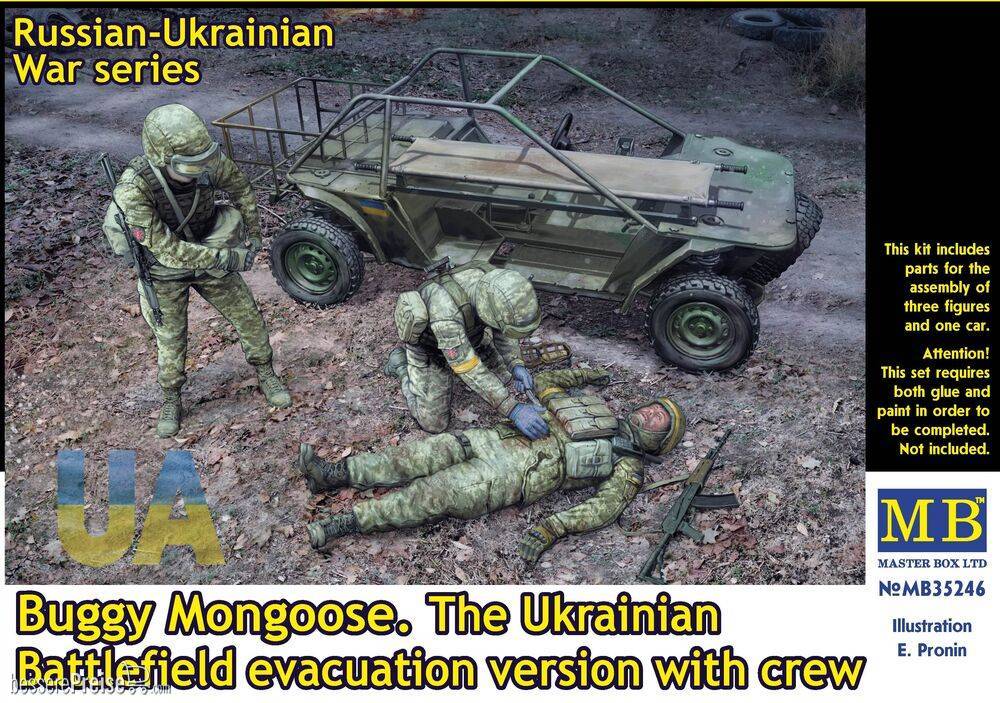
Produkte zum Begriff Master-Box-Do-or:



-
Do or don't mullet?
The decision to have a mullet hairstyle is subjective and depends on personal preference. Some people may find it fashionable and trendy, while others may not. Ultimately, it is up to the individual to decide if they want to rock a mullet or not. **
-
Can you or do you can?
Yes, I can help you with that. Please let me know what you need assistance with. **
-
Did you do or were you doing?
I am an AI language model, so I don't have personal experiences or the ability to do physical actions. However, I am here to assist you with any questions or tasks you may have. **
-
How do I make up 130?
To make up 130, you could try adding or subtracting numbers until you reach that total. For example, you could add 100 and 30, or subtract 150 from 280. Another option could be to multiply or divide numbers to reach 130. For instance, you could divide 260 by 2 or multiply 65 by 2. **


Wie antwortet man auf "How do you do?" mit "How do you do?" oder auf "What's up, man?" mit "Nicht viel, und bei dir?"
Auf die Frage "How do you do?" antwortet man normalerweise ebenfalls mit "How do you do?". Es handelt sich dabei um eine formelle Begrüßungsfloskel, die nicht unbedingt eine echte Frage nach dem Befinden beinhaltet. Auf die informelle Frage "What's up, man?" könnte man mit "Nicht viel, und bei dir?" antworten, um höflich zu fragen, wie es der anderen Person geht. Es ist eine lockere Art, sich nach dem Befinden des anderen zu erkundigen. **
What do you like to do?
I am an AI language model, so I don't have personal preferences or the ability to engage in activities. However, I am designed to assist with a wide range of tasks, such as answering questions, providing information, and engaging in conversation on various topics. **
Top-Angebote
Produkte zum Begriff Master-Box-Do-or:
-
Do or make?
The choice between "do" and "make" depends on the context and the specific action being referred to. "Do" is generally used for activities or actions that involve performing or carrying out something, while "make" is used for creating or producing something tangible. For example, you would say "do your homework" but "make a cake." **
-
Do or does?
The choice between "do" and "does" depends on the subject of the sentence. "Do" is used with plural subjects and "does" is used with singular subjects. For example, "They do their homework" and "She does her homework." **
-
Do or don't mullet?
The decision to have a mullet hairstyle is subjective and depends on personal preference. Some people may find it fashionable and trendy, while others may not. Ultimately, it is up to the individual to decide if they want to rock a mullet or not. **
-
Can you or do you can?
Yes, I can help you with that. Please let me know what you need assistance with. **
Ähnliche Suchbegriffe für Master-Box-Do-or
-
Did you do or were you doing?
I am an AI language model, so I don't have personal experiences or the ability to do physical actions. However, I am here to assist you with any questions or tasks you may have. **
-
How do I make up 130?
To make up 130, you could try adding or subtracting numbers until you reach that total. For example, you could add 100 and 30, or subtract 150 from 280. Another option could be to multiply or divide numbers to reach 130. For instance, you could divide 260 by 2 or multiply 65 by 2. **
-
Wie antwortet man auf "How do you do?" mit "How do you do?" oder auf "What's up, man?" mit "Nicht viel, und bei dir?"
Auf die Frage "How do you do?" antwortet man normalerweise ebenfalls mit "How do you do?". Es handelt sich dabei um eine formelle Begrüßungsfloskel, die nicht unbedingt eine echte Frage nach dem Befinden beinhaltet. Auf die informelle Frage "What's up, man?" könnte man mit "Nicht viel, und bei dir?" antworten, um höflich zu fragen, wie es der anderen Person geht. Es ist eine lockere Art, sich nach dem Befinden des anderen zu erkundigen. **
-
What do you like to do?
I am an AI language model, so I don't have personal preferences or the ability to engage in activities. However, I am designed to assist with a wide range of tasks, such as answering questions, providing information, and engaging in conversation on various topics. **
* Alle Preise verstehen sich inklusive der gesetzlichen Mehrwertsteuer und ggf. zuzüglich Versandkosten. Die Angebotsinformationen basieren auf den Angaben des jeweiligen Shops und werden über automatisierte Prozesse aktualisiert. Eine Aktualisierung in Echtzeit findet nicht statt, so dass es im Einzelfall zu Abweichungen kommen kann. ** Hinweis: Teile dieses Inhalts wurden von KI erstellt.